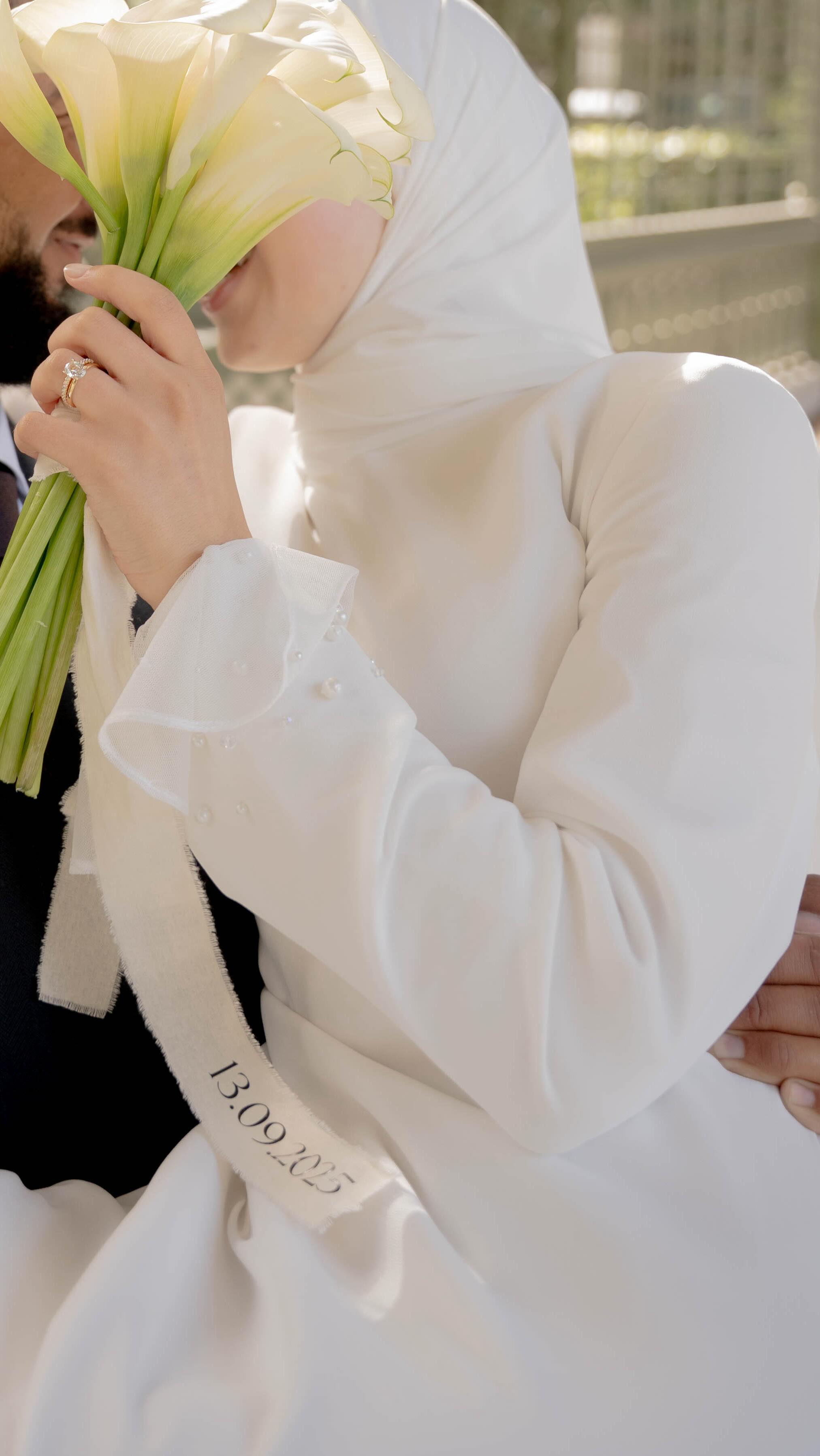
A thoughtful photography timeline does not turn a wedding into a production. It connects the essential moments, accounts for travel and leaves enough breathing room for the pictures to feel alive. In Belgium, the weather and journeys simply call for flexible alternatives.
Place the fixed anchors first
Begin with confirmed times: the civil or religious ceremony, dinner, speeches and any rituals. Add travel, access and a little margin around each transition rather than arranging every part as tightly as possible.
Share the consolidated version with the relevant suppliers. When everyone understands the priorities and movements, changes happen more naturally and you do not have to coordinate your own wedding day.
Prepare the details, then let them go
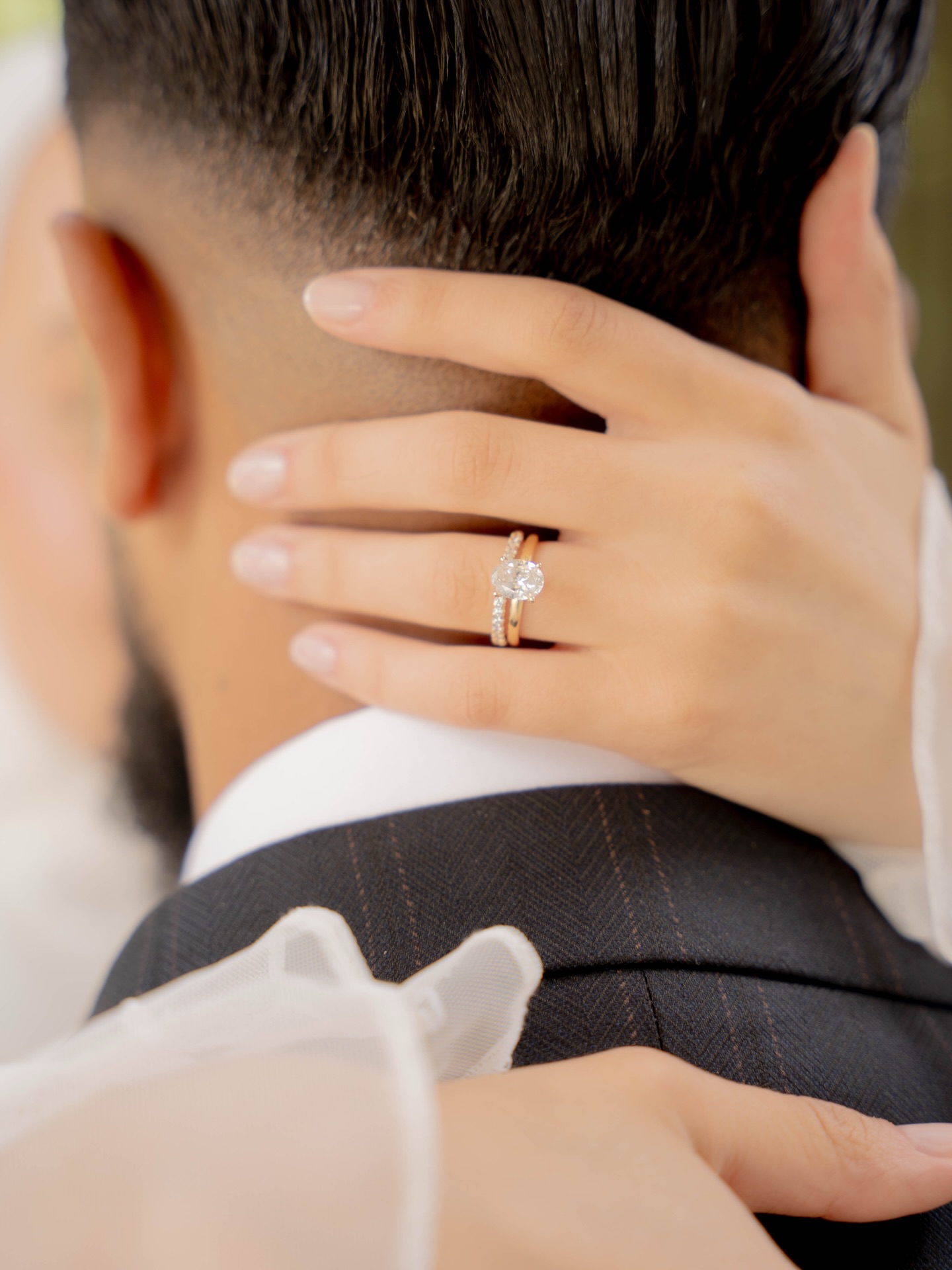
Gather meaningful objects — rings, stationery, an inherited piece of jewellery or a fragrance — in one place beforehand. They can be photographed without searching or interrupting preparations just as emotions begin to rise.
Choose a calm room where possible and remove only what genuinely distracts. The space does not need to look unreal: people, gestures and light give the photographs their value.
Match portraits to the light and your energy
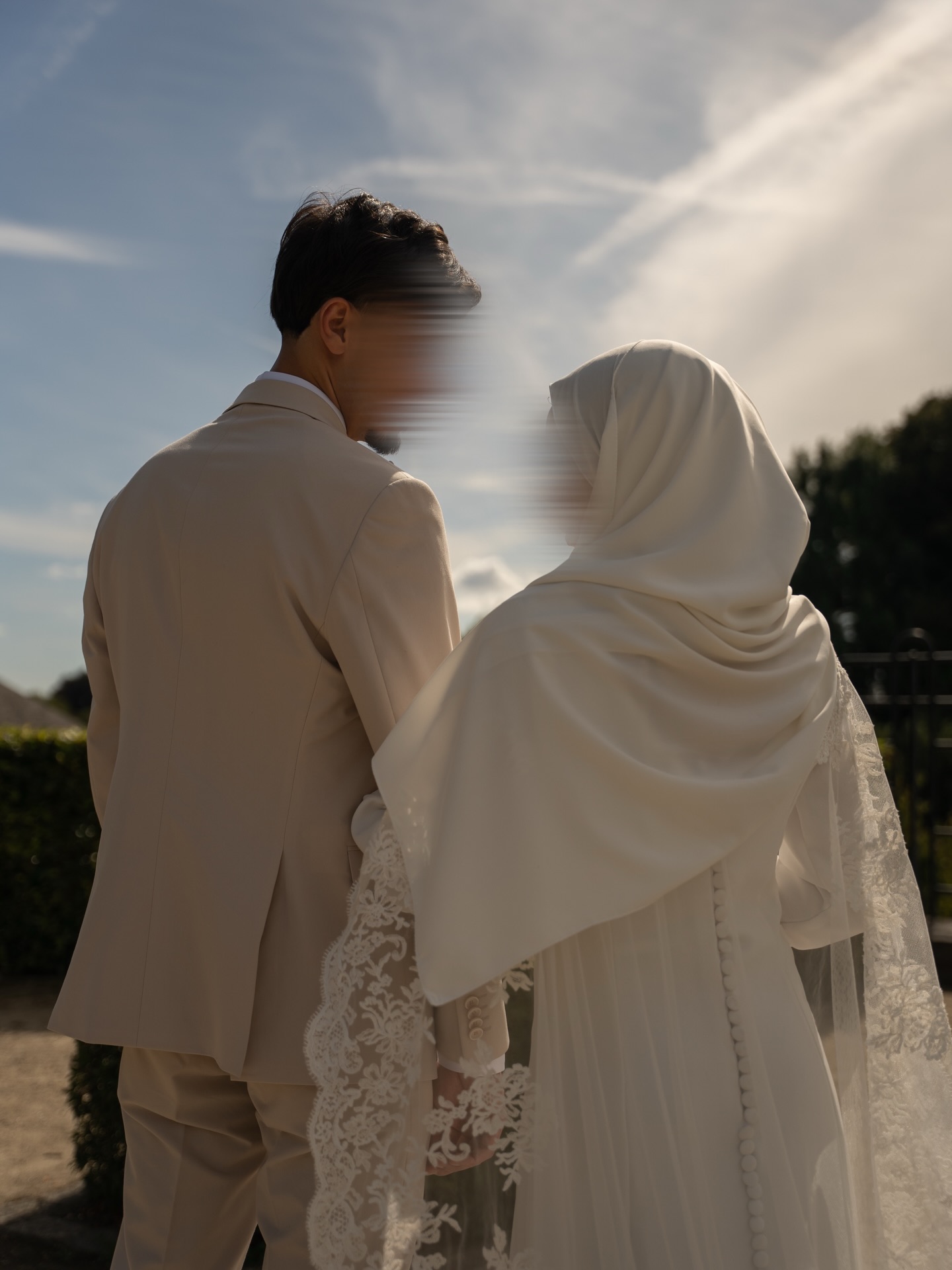
Set aside a window for portraits while keeping the freedom to move it. A short pause together can be enough when it falls at the right point, stays nearby and does not require disproportionate travel.
Discuss an indoor or sheltered option for rain. The aim is not to fight Belgian weather, but to have an elegant alternative that allows the day to continue without stress.
Protect what cannot be scheduled
Leave open space around reunions, embraces and transitions. The most personal images often appear there precisely because nobody was trying to produce them.
For group portraits, create a short list and give it to someone who knows the guests. The photographer can stay alert to emotion while groups are brought together simply.