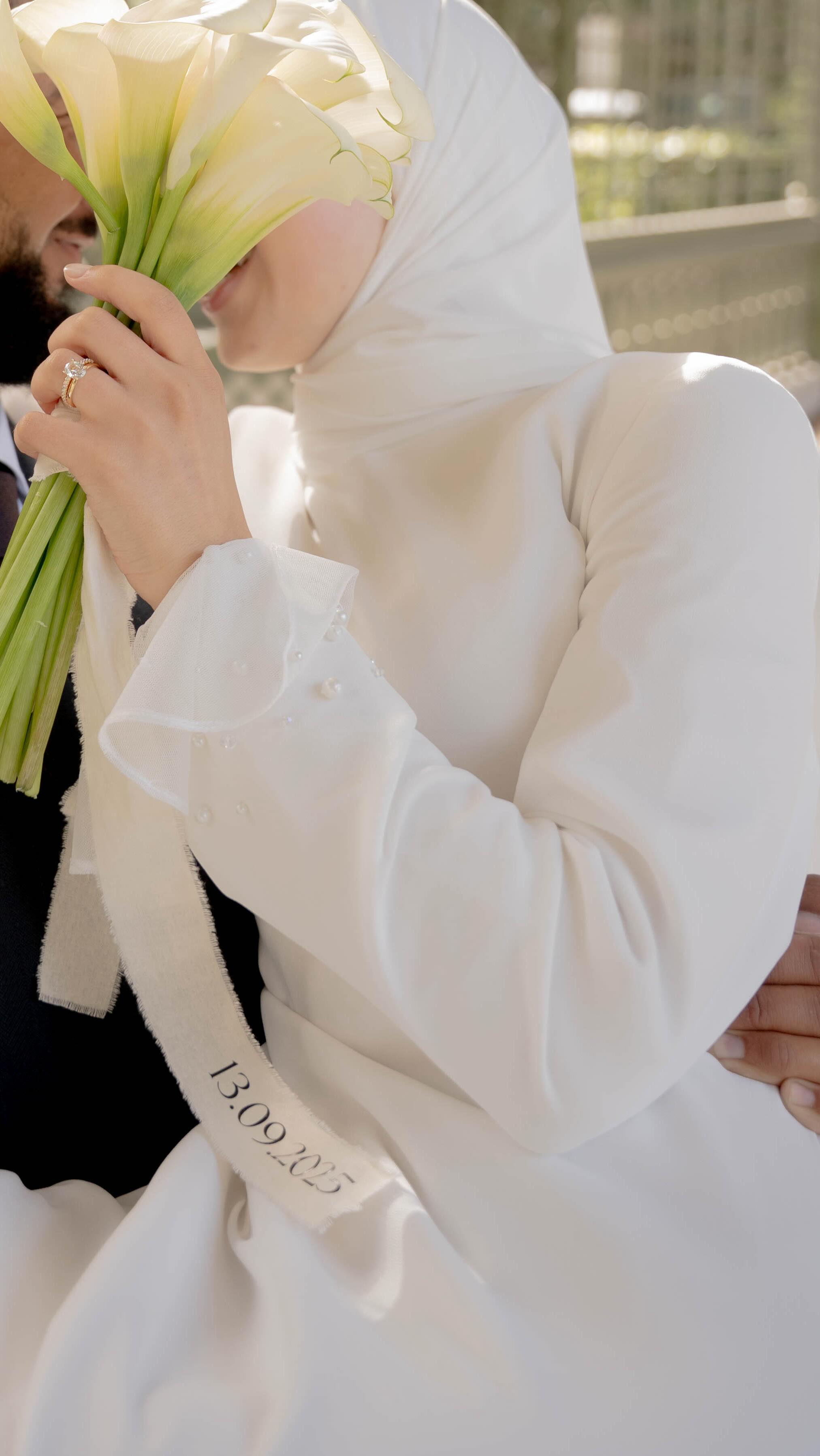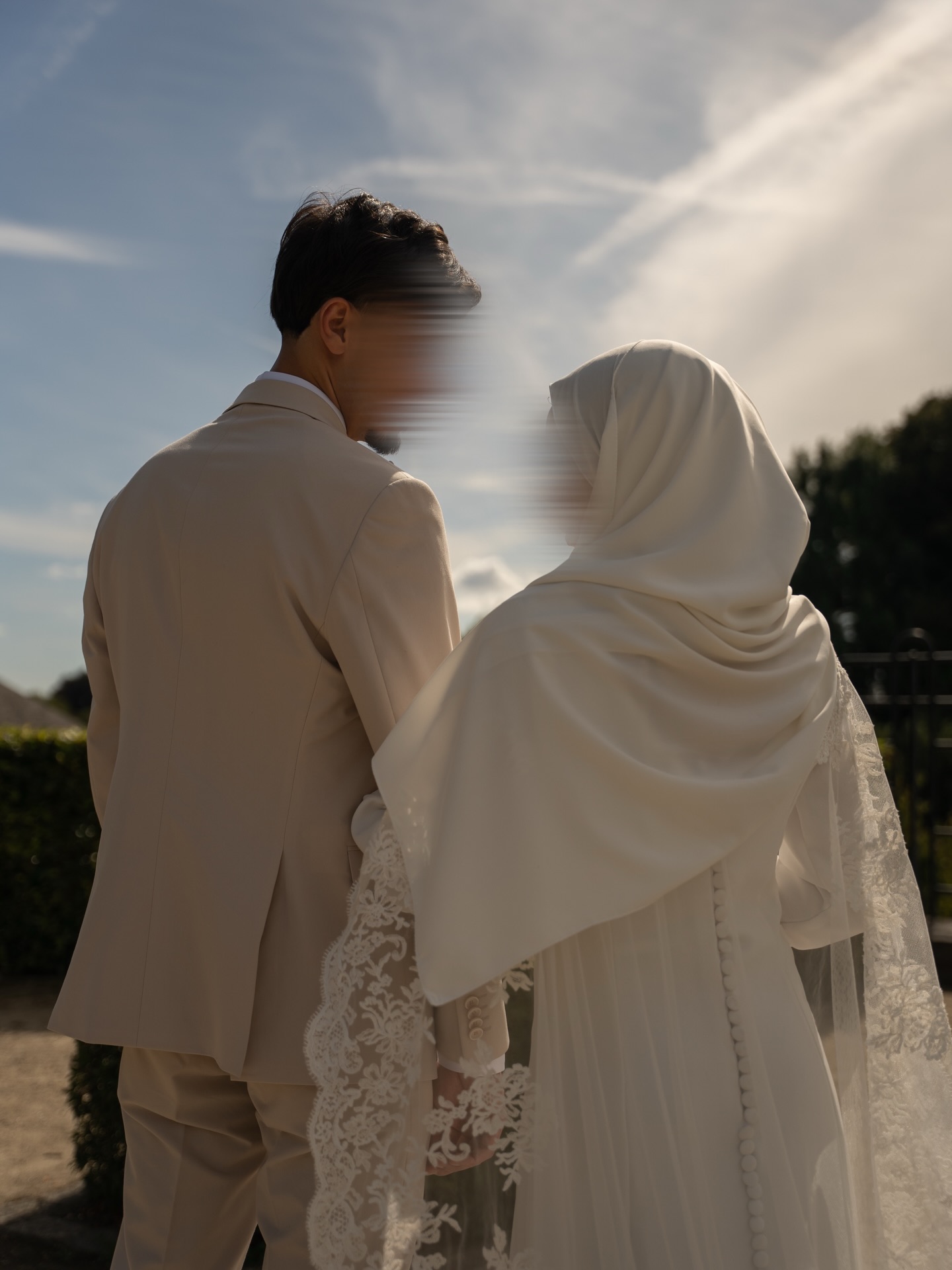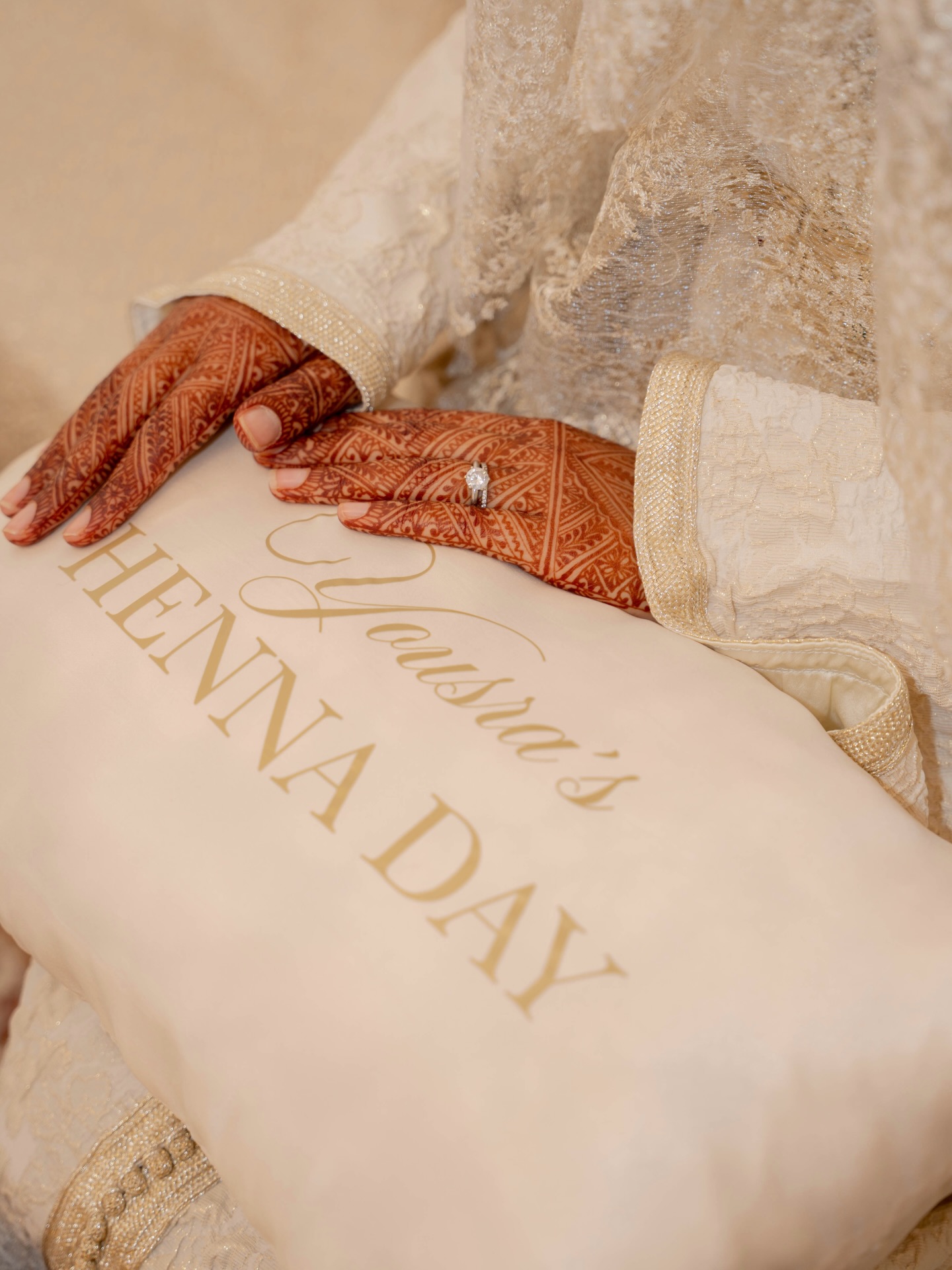
Henna, inherited garments, elders’ gestures and family celebrations carry a memory that reaches beyond the picture. Photographing them beautifully begins with genuinely understanding what matters, what may be shown and what should remain private.
Understand the meaning before seeking the image
Explain how the celebration unfolds, who will guide each gesture and what it means to your family. Traditions differ from one story to another; no generic checklist can replace your own voice.
Choose a trusted person who can signal an important step. That relationship helps the photographer anticipate without interrupting and gives shared looks as much value as ceremonial details.
Make consent part of the preparation
Name moments reserved for certain people, sensitivities around modesty and guests who do not wish to be photographed. These boundaries do not diminish the story; they create a space where everyone can remain fully present.
Discuss how the images may be shared. A photograph accepted in a private album is not automatically meant for a website or social media. That difference deserves an explicit answer which is then respected.
Protect the natural rhythm of each gesture
The photographer can study the light and take position beforehand so a meaningful action never needs to be repeated. If you want a posed portrait, plan it separately rather than blurring the line between ritual and representation.
Details — henna, textiles, jewellery or inherited objects — gain meaning in context. A loved hand carrying them often tells more than an isolated arrangement.
Prepare for the light without changing the atmosphere
Share simple photographs of the space and the approximate order of events. The photographer can plan movements and equipment while preserving the light, colours and intimacy your family wants.
Leave margin in the schedule: a conversation, blessing or arrival may last longer than expected. Flexibility allows the tradition to be told as it is lived, not as it was divided into minutes beforehand.